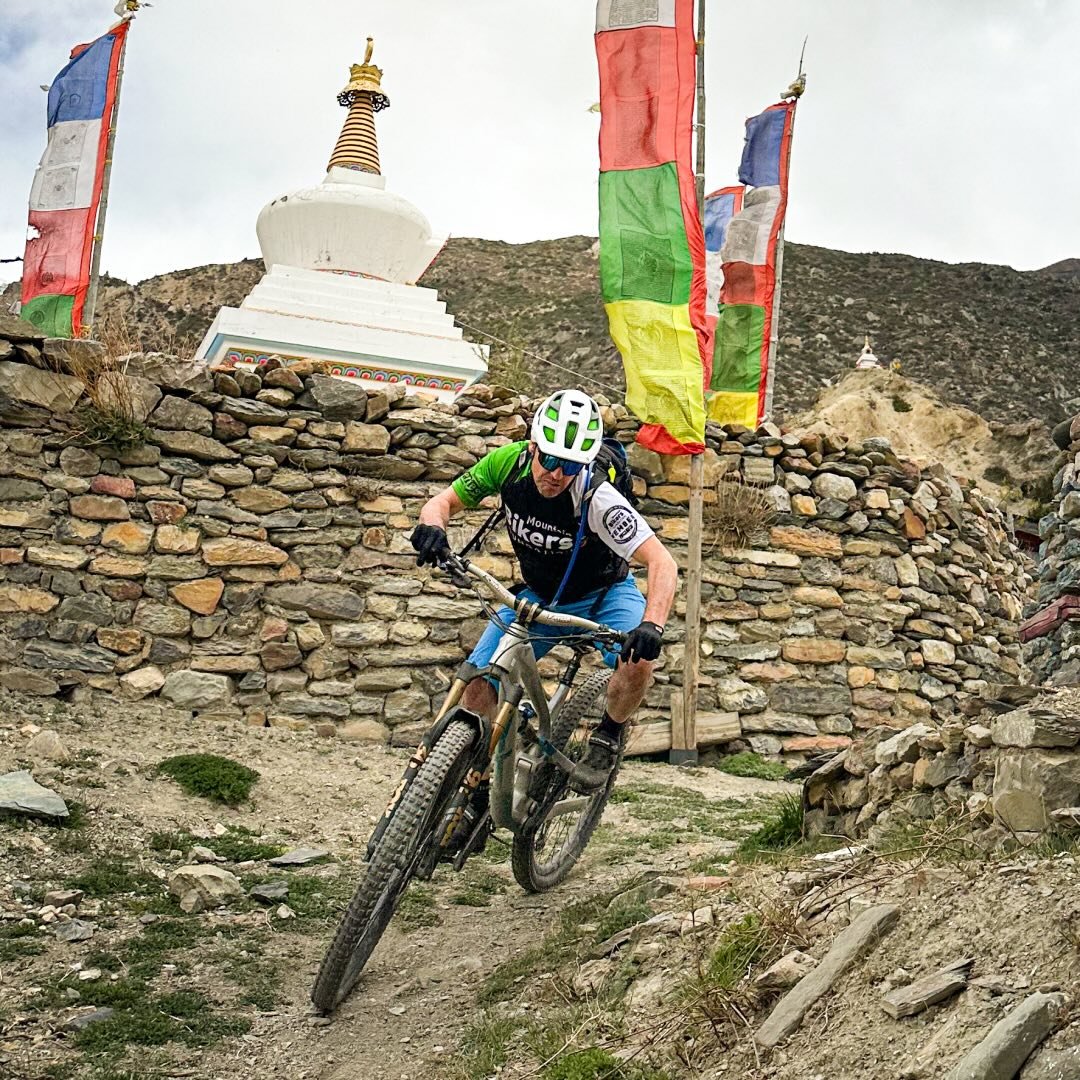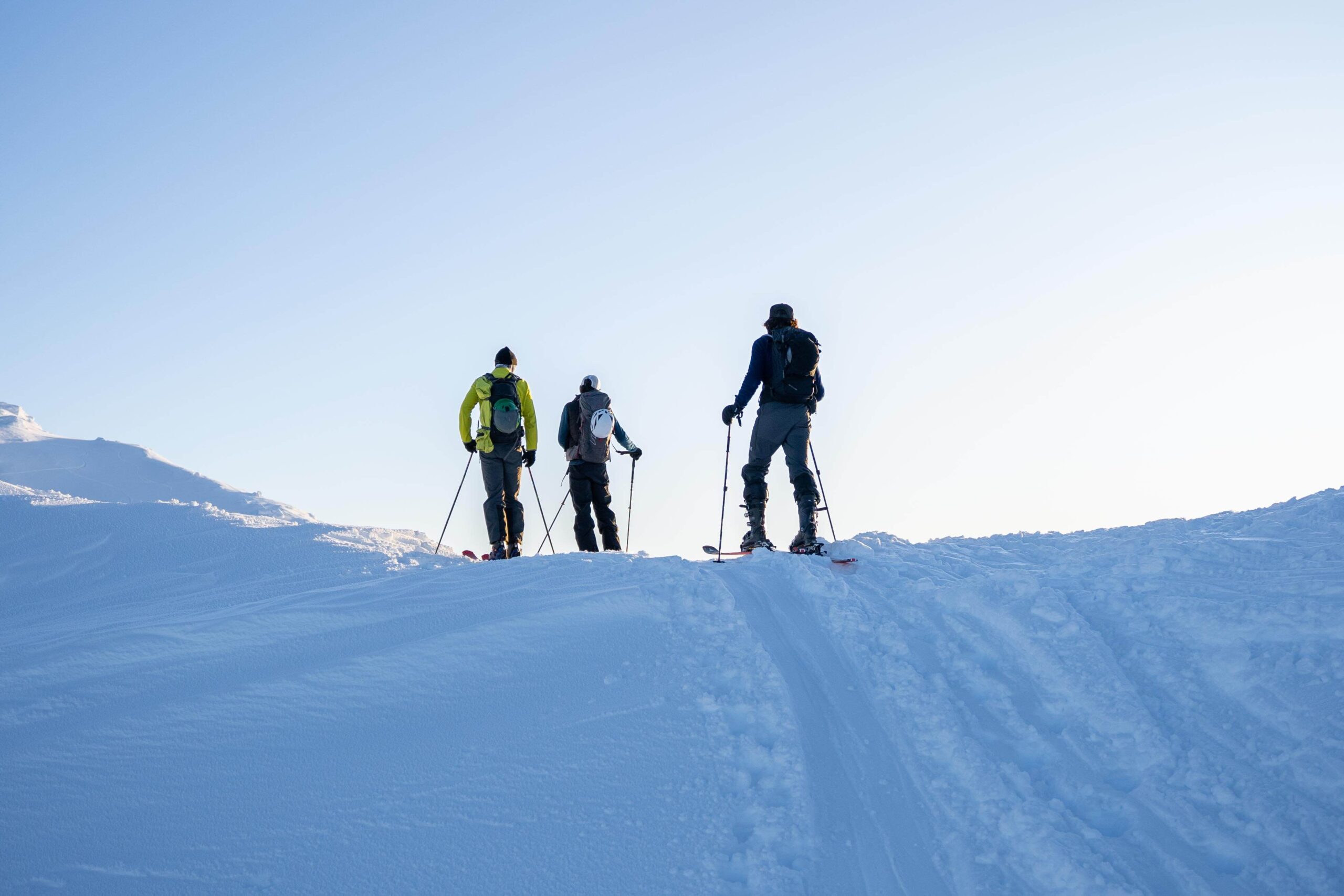
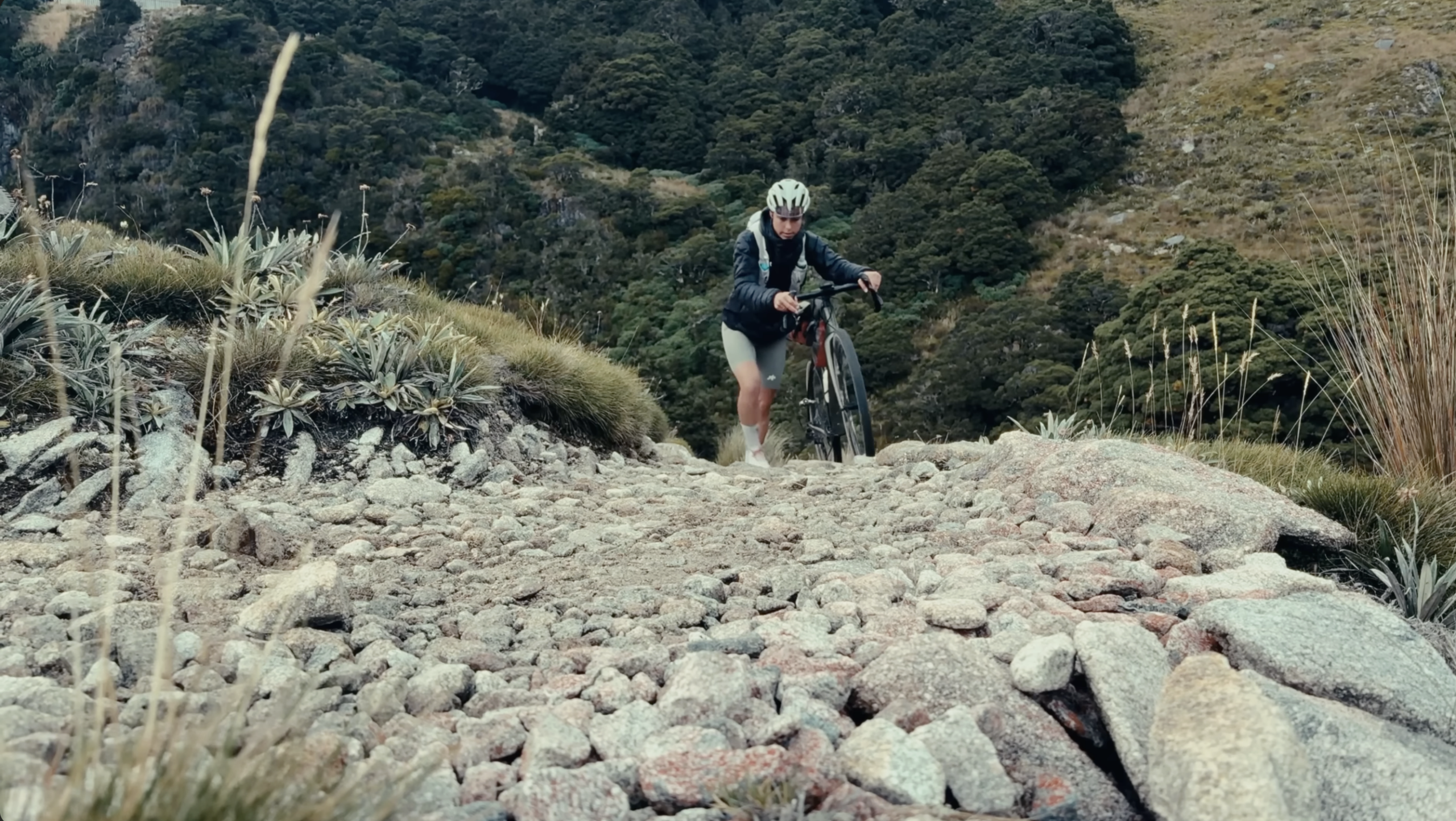
The Old Ghost Road is not just a trail, it’s a slow immersion into New Zealand’s wild spine. Carved into forgotten mining routes and clinging to ridgelines above deep river gorges, it unfolds over days, not minutes. Here, progress is measured in silence, weather shifts, and the steady rhythm of effort. Remote, demanding, and deeply rewarding, the Old Ghost Road is a journey where isolation sharpens the senses and the landscape does most of the talking.
A Must-Do Trail
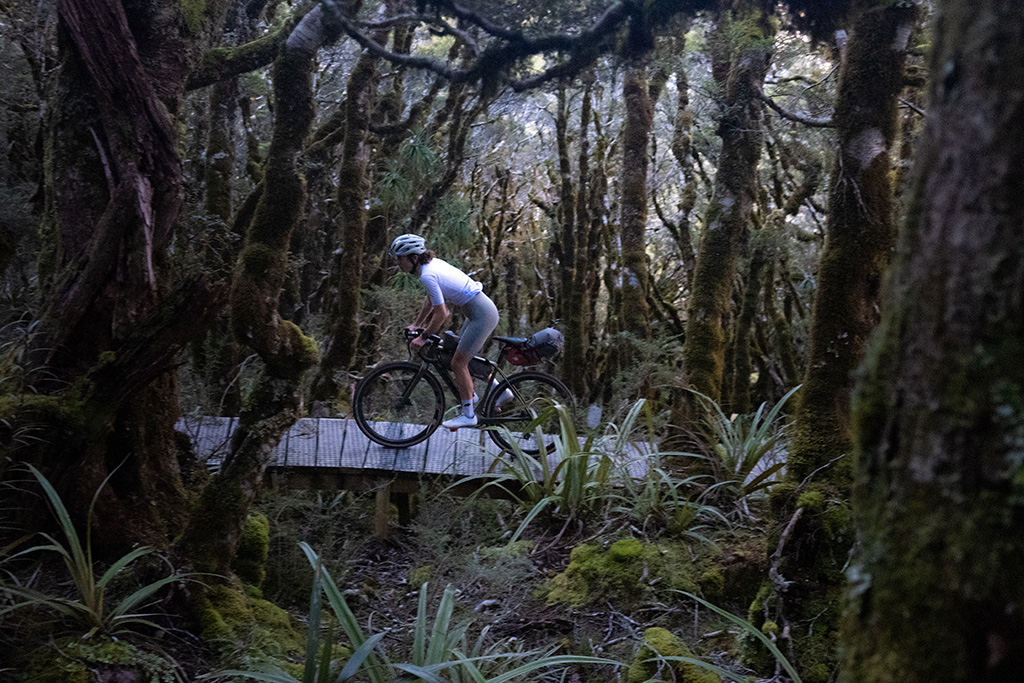
Set deep in the remote northwest of New Zealand’s South Island, Old Ghost Road is a journey shaped by time, weather, and solitude. Following forgotten gold-mining routes, the trail threads its way across dense temperate rainforest, exposed alpine ridgelines, and dramatic swing bridges suspended above river gorges.
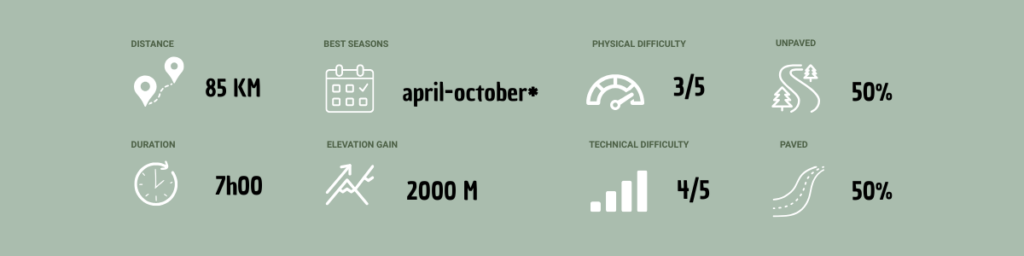
Stretching over 85 kilometres of uninterrupted singletrack, it is the longest of its kind in the country, not in service of speed or performance, but continuity. Each section unfolds with patience, revealing layers of history and landscape that reward those willing to slow down and stay present. For riders and walkers alike, the Old Ghost Road is less a challenge to conquer than an experience to inhabit: raw, immersive, and quietly unforgettable.
Riding It in Two Days, On a Gravel Bike
In March, I chose to ride Old Ghost Road on a gravel bike. It was a conscious departure from the trail’s usual mountain-bike narrative. Before committing, I asked around. The answers were split. Some said it made no sense. Others said it would be unforgettable. I decided to find out for myself.
We completed the route over two days, spending the night at Ghost Lake Hut, the highest point of the trail at around 1,280 metres. The ride was demanding in places. Long traverses, exposed sections, sustained effort. Yet with the right setup, solid experience, and a respectful approach to the terrain, it was entirely rideable.
What surprised me most was how the gravel bike changed the relationship with the trail. The pace became more deliberate, the sensations sharper. Every surface mattered. Rather than softening the experience, it amplified it. By the end of the second day, it was clear this was not just a successful attempt, but one of the most rewarding gravel rides I have ever done.
Huts Along the Trail
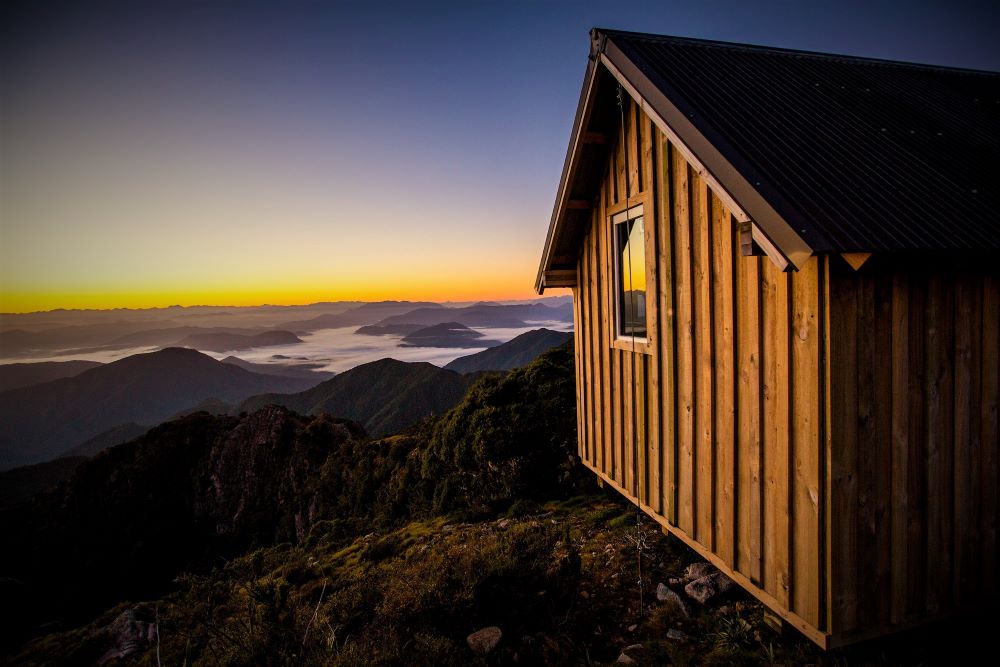
One of the quiet luxuries of Old Ghost Road is its network of backcountry huts, discreetly positioned to shape the rhythm of the journey. Managed by the Old Ghost Road Trust, these shelters are thoughtfully maintained and designed for comfort without excess. Some require advance booking.
Each hut is equipped with mattresses, compost toilets, rainwater tanks, and gas stoves — enough to rest well, cook simply, and let the landscape remain the focus.
Along the route, riders and walkers can stay at:
- Lyell Saddle Hut (17 km)
- Ghost Lake Hut (35 km), the highest point of the traverse, opening onto wide alpine views
- Stern Valley Hut
- Goat Creek Hut
- Specimen Point Hut
These huts do more than provide shelter. They punctuate the trail, encourage unhurried progress, and turn the crossing into a sequence of lived moments rather than a continuous push. Reservations are made through the Old Ghost Road Trust website and should be planned ahead, especially during peak season.
Book here oldghostroad.org.nz
Difficulty and Terrain
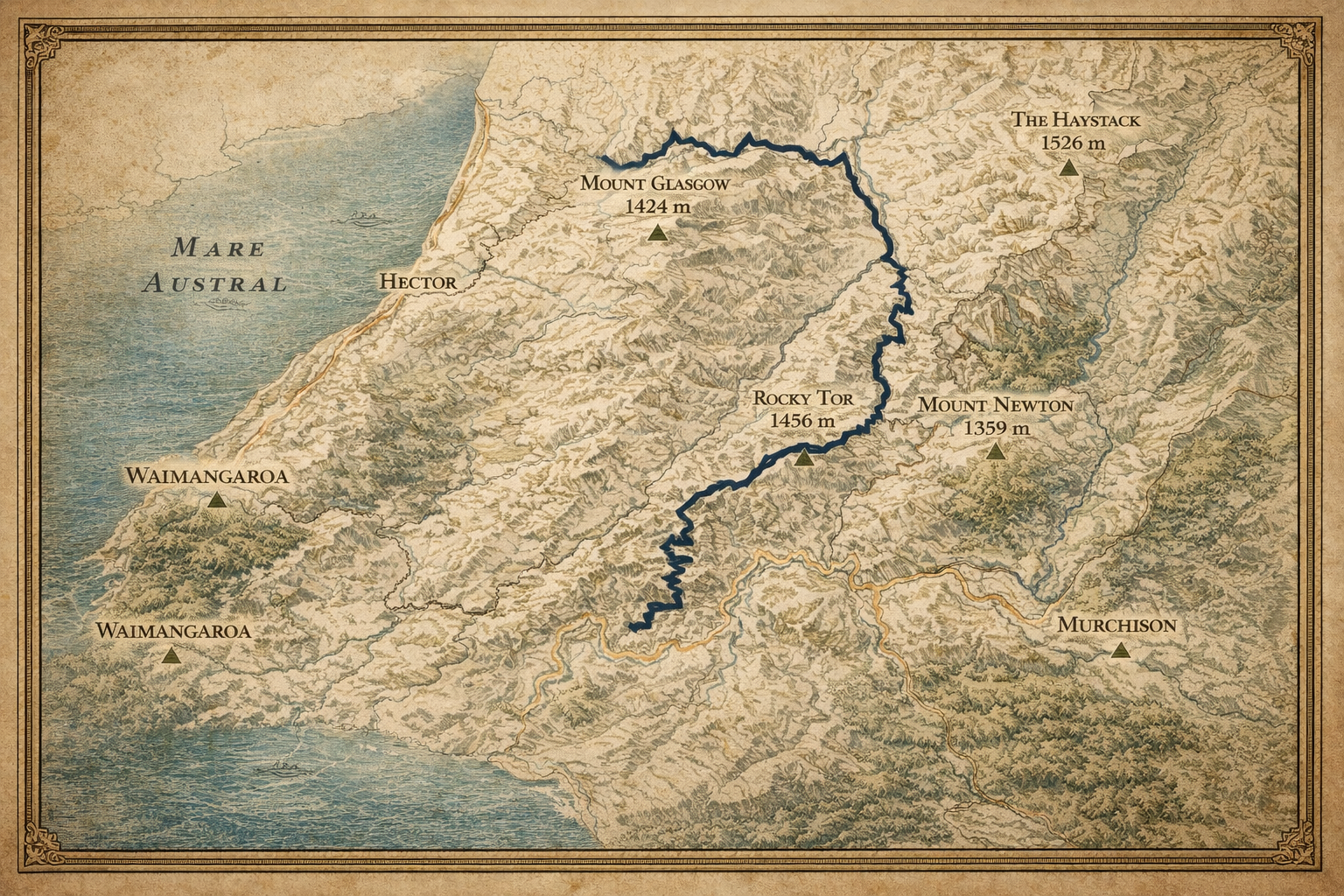
Although stretches of Old Ghost Road flow effortlessly, the trail is defined as much by its demands as by its beauty. It is a backcountry route that asks for commitment and composure.
Riders should expect sustained climbs followed by long, sometimes exposed descents, alongside rocky and root-laced sections that require precision and control. Narrow ridgelines add a psychological dimension, while occasional hike-a-bike segments remind you that progress here is earned rather than given.
This is not a trail for improvisation. Riders need to be fit, self-sufficient, and comfortable handling technical terrain in remote conditions. Those who arrive prepared will find the challenge inseparable from the reward.
Weather: Check Before You Go
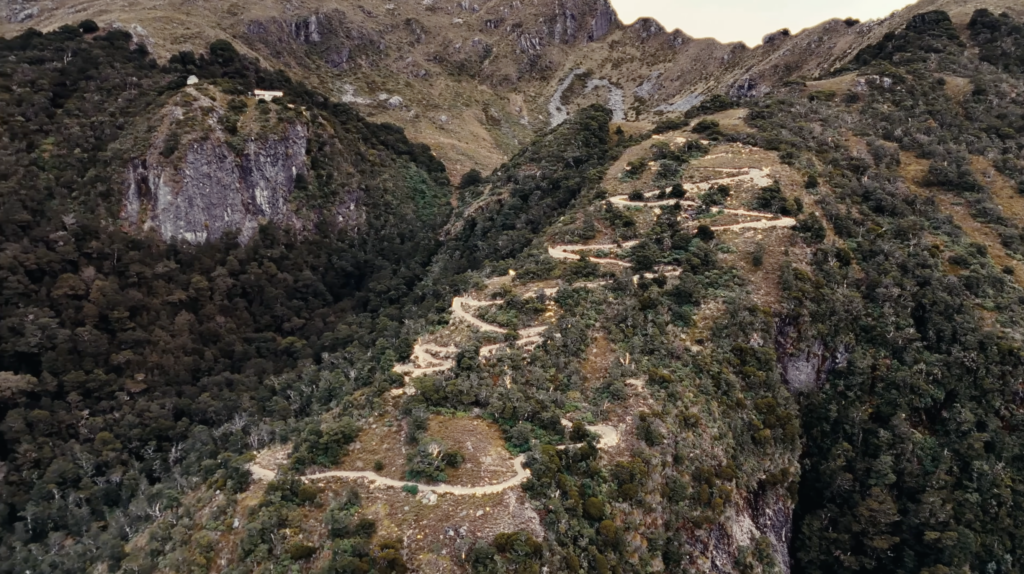
Weather plays a central role on Old Ghost Road. Conditions can shift rapidly, particularly on the alpine sections, where wind, rain, fog, and sudden temperature drops are part of the experience. A calm start can quickly give way to far more demanding conditions.
Checking forecasts is an essential part of planning. Before heading out, consult several reliable sources and adjust your timing and equipment accordingly:
- MetVUW : www.metvuw.com
- New Zealand Metservice’s : mountains forecast and rural forecast
- Trail status : the old ghost road official website
You must check the official trail website before starting the route, as closures and weather-related advisories are updated regularly:
https://oldghostroad.org.nz/On a trail this remote, preparation and awareness are as important as fitness.
Recommended Gear
Riding Old Ghost Road is a self-supported experience. The remoteness of the route leaves little room for improvisation, and the right gear makes the difference between managing the trail and truly enjoying it.
Summary:
- Gravel bike or MTB with minimum 40 mm tires. For more comfort, go with 45–50 mm
- Headlamp and Power bank
- Repair kit: tubeless plugs, inner tubes, multi-tool, pump.
- Sunscreen
- First aid kit
- Bikepacking bags
- I used a 3L frame bag and a 11L saddle bag. I also had a 15L hydration bag, but I’d rather recommend a handlebar bag
- Warm and waterproof clothing. The weather changes quickly
- Food for the entire route, and some extras.
- I brought freeze-dried meals along with bars, cookies, and other snacks.
- GPS with GPX track to download.
Why Ride the Old Ghost Road?
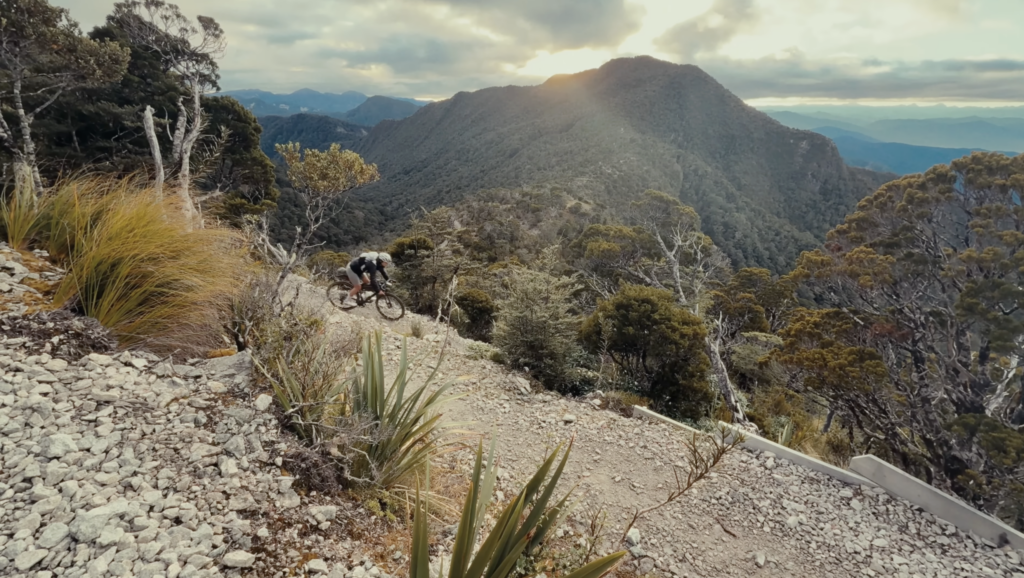
ecause Old Ghost Road is more than a line on a map. It is a complete backcountry experience, shaped by remoteness, effort, and time spent moving through the landscape rather than across it.
The trail offers a rare sense of solitude and exposure to truly wild terrain. Days unfold far from roads and infrastructure, creating an immersive rhythm that strips the journey back to its essentials. The hut system allows this immersion to remain comfortable without diluting its rawness, turning nights into moments of calm and reflection.
Physically demanding yet deeply rewarding, the Old Ghost Road is a trail that gives back in proportion to what is invested. It is not about ticking off kilometres, but about inhabiting the journey, embracing its challenges, and carrying the memory of a place that stays with you long after the ride ends.
In a few words, do it for:
- The wilderness of this trail, and the solitude that comes with it.
- A true immersion in the heart of New-Zealand’s south island.
- A World-Class network of Huts
- The Physical Challenge
Useful Resources
For those planning a journey on Old Ghost Road, a few trusted resources are essential to prepare properly and stay informed.
- New Zealand Cycle Trail
Background information on the trail, its place within the national cycle network, and broader context on riding in New Zealand. - The Old Ghost Road Official Website
The primary reference for hut bookings, trail conditions, access points, and real-time updates. This should always be checked before departure.
These sources provide the practical foundation needed to experience the trail with confidence, allowing the focus to remain where it belongs: on the ride itself.